
Peptides

Peptide Therapeutics for New Modalities Advancements
At PI Health Sciences, our Peptides platform is designed to address the scientific and translational challenges commonly encountered during early peptide discovery and preclinical development, particularly for FDA-emphasized peptide programs where regulatory scrutiny around quality, stability, and characterization is increasing. While peptides offer high target specificity and defined biological activity, progression is frequently limited by sequence instability, exposure challenges, and developability constraints identified late in development.
We support peptide programs from hit identification through preclinical candidate nomination through an integrated framework combining rational design, peptide chemistry, analytical characterization, and early translational alignment. This ensures peptide candidates are evaluated for biological relevance, structural integrity, and development feasibility in parallel rather than in isolation, aligning early discovery decisions with expectations typically applied to FDA-emphasized peptide modalities.
Our peptide discovery and preclinical development model operates through coordinated design-make-test cycles, enabling systematic optimization and informed progression decisions. By aligning chemistry execution, biological evaluation, and developability assessment early, we support efficient transition from discovery into IND-enabling readiness without premature manufacturing complexity. Programs are supported across oncology, neurodegeneration, metabolic disorders, and rare diseases.
Our Services
Peptide Discovery
Peptide Discovery at PI Health Sciences is focused on the rational identification and early optimization of peptide candidates with biological relevance and development potential. Our discovery approach integrates sequence design, library generation, and early feasibility assessment to enable informed progression from initial hits toward optimization-ready leads. Discovery activities are structured to evaluate biological activity alongside stability, exposure, and developability considerations from the outset.

How Our Approach Is Different
Peptide discovery is not treated as a standalone screening exercise. Design, synthesis, and biological evaluation are coordinated through iterative design-make-test cycles, enabling rapid refinement based on experimental feedback. Early developability thinking is embedded into discovery workflows to reduce late-stage rework and attrition.
Core Design Principles
- Structure-guided and ligand-based peptide design strategies
- Focused and hypothesis-driven peptide library generation
- Early assessment of stability, exposure, and sequence liabilities
- Iterative SAR-driven refinement informed by biological data
- Alignment of discovery decisions with downstream development feasibility
Talk to Our Experts
Peptide Development
Peptide Development at PI Health Sciences supports the systematic optimization of peptide candidates as they progress toward preclinical readiness. Development activities focus on improving potency, stability, exposure, and overall developability while preserving biological activity. Programs are advanced through integrated chemistry, analytics, and translational alignment.
How Our Approach Is Different
Development is guided by decision quality rather than iteration volume. Optimization efforts are informed by analytical and biological data in parallel, ensuring that sequence modifications directly address identified liabilities. Early PK and PK-PD considerations are incorporated to support confident candidate selection.
Core Design Principles
- Integrated SAR-driven optimization across chemistry and biology
- Targeted modification strategies to improve stability and exposure
- Parallel evaluation of potency, degradation risk, and developability
- Early translational alignment to reduce preclinical risk
- Data-driven progression toward candidate nomination
Talk to Our Experts
Peptide Manufacturing
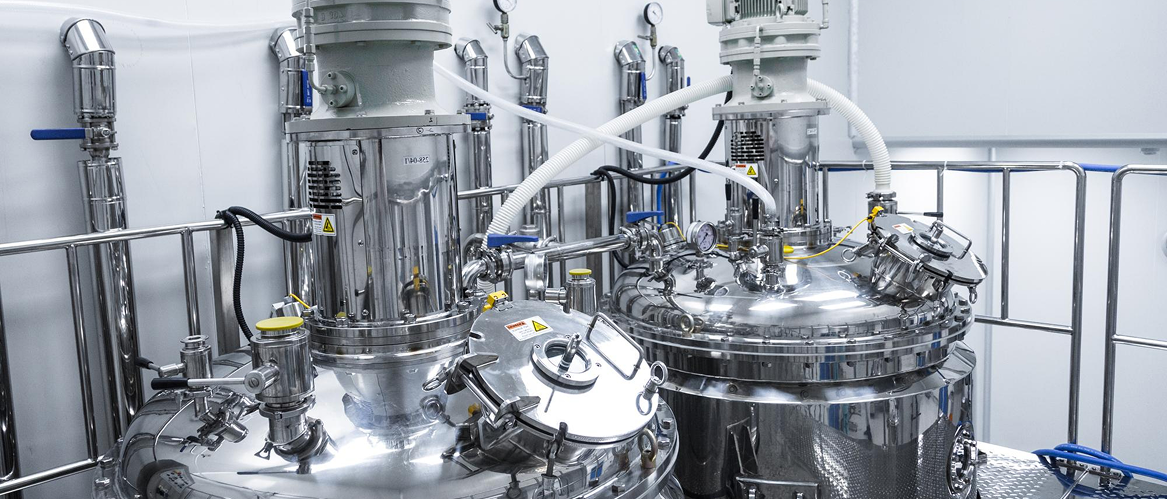
Peptide Manufacturing at PI Health Sciences supports the production of peptides across discovery and preclinical scales using flexible synthesis strategies. Manufacturing activities are designed to deliver high-quality peptide material while maintaining alignment with development-stage requirements and future scale considerations.

How Our Approach Is Different
Manufacturing is approached with development continuity in mind. Synthesis routes, purification strategies, and material handling are selected to support consistency, reproducibility, and downstream transition without introducing unnecessary complexity at early stages.
Core Design Principles
- Solid-phase and solution-phase peptide synthesis strategies
- Flexible scale support aligned with discovery and preclinical needs
- Purity-driven process selection and purification planning
- Integration with analytical characterization for material confidence
- Forward-looking alignment with development and scale-up pathways
Talk to Our Experts
Peptide Analytical
Peptide Analytical services at PI Health Sciences provide comprehensive characterization to support discovery, optimization, and preclinical progression. Analytical activities confirm peptide identity, purity, and structural integrity, enabling reliable interpretation of biological and development data.

How Our Approach Is Different
Analytical characterization is integrated throughout peptide programs rather than applied only at milestones. Data is generated to directly support decision-making during optimization and progression, ensuring analytical confidence at every stage.
Core Design Principles
- Identity confirmation using LC-MS and HRMS
- Purity assessment using dedicated RP-HPLC methods
- Structural confirmation through 500 MHz NMR
- Secondary structure assessment using circular dichroism
- Lyophilization support for material handling and stability
Talk to Our Experts
Capabilities


Expanded Peptide Modality Coverage
Support for linear, macrocyclic, stapled peptides, peptide-drug conjugates, and peptidomimetics, selected based on target biology, mechanism of action, and developability requirements.


Rational Peptide Design and Library Generation
Structure-guided and ligand-based design supported by in silico approaches to generate focused, positional scanning, alanine scan, truncation, and cyclic peptide libraries.


Chemistry Execution and Modification Strategy
Solid-phase and solution-phase peptide synthesis using Fmoc/t-Bu chemistry, with targeted modifications including terminal protection, cyclization, stapling, PEGylation, lipidation, and conjugation.


SAR-Driven Progression & Optimization
Integrated SAR cycles combining analytical and biological data to balance potency, stability, and exposure during lead optimization and candidate selection.


Analytical Characterization
Comprehensive analytical services including LC-MS, HRMS, RP-HPLC, 500 MHz NMR, circular dichroism, and lyophilization to ensure identity, purity, and structural integrity.


Preclinical Translation and IND Alignment
Early integration of PK, PK-PD, in vivo efficacy planning, safety strategy, and initial CMC considerations to support progression into IND-enabling studies.
Frequently asked questions
We’re here to help with any questions you have about our plans, supported features, and how our model works.
How does PI Health Sciences address peptide instability and rapid degradation?
Peptide instability and rapid degradation are addressed through rational sequence design combined with targeted chemical modifications such as N-terminal and C-terminal protection, cyclization, and stapling. These strategies are applied early during optimization to improve metabolic stability while maintaining biological activity and structural integrity.
How does PI Health Sciences support peptide programs with poor exposure or short half-life?
Exposure challenges are addressed through early integration of modification strategies, including PEGylation, lipidation, and conjugation approaches, alongside SAR-driven optimization. Pharmacokinetic considerations are incorporated during lead optimization to guide sequence refinement and progression decisions.
How are peptides optimized when initial hits show weak cellular activity?
Weak cellular activity is addressed through structure-guided optimization and focused library design. Iterative SAR cycles integrate biological data with sequence refinement, enabling systematic improvement of potency and functional relevance while maintaining developability.
How does PI Health Sciences reduce late-stage failure due to poor peptide developability?
Late-stage failure is reduced by evaluating biological activity, stability, exposure, and analytical quality in parallel during early discovery and optimization. Early developability assessment ensures that candidates progressing toward preclinical studies meet defined criteria for stability, purity, and translational feasibility.
How does PI Health Sciences ensure analytical confidence during peptide optimization?
Contact Us
Connect with PI Health Sciences to explore how our peptide discovery and development capabilities can support your programs, from rational sequence design and library generation to lead optimization and developability-driven decision-making.